
FORT SMITH, Arkansas — Researchers at Arkansas Colleges of Health Education (ACHE) have been awarded a $3.3 million R01 grant from the National Institutes of Health (NIH) to investigate why individuals can experience dramatically different health and weight-loss outcomes from exercise, even when following similar exercise programs.
The grant will fund a clinical trial examining metabolic and biobehavioral mechanisms underlying energy balance in response to aerobic and resistance exercise. ACHE researchers hope to better understand why some people experience significant improvements in weight, cardiovascular health and blood sugar control, while others following similar exercise programs see more limited results.
“We know that regular exercise can have tremendous health benefits, but we also know that people can respond very differently to the same type and amount of exercise,” said Kyle Flack, PhD, RD, principal investigator of the study. “This research will allow us to look more closely at what is driving those differences and, ultimately, help us better understand how exercise can be used to improve health outcomes for more people.”
Dr. Flack, an associate professor of Pathology, Pharmacology and Physiology at ACHE’s Arkansas College of Osteopathic Medicine (ARCOM), will lead the study, with Katarzyna Pomianowski, MD, MPH, assistant professor of Family Medicine, serving as medical director. Faculty from ACHE’s School of Physical Therapy and School of Public Health will also participate, along with collaborators from the University of Arkansas and the University of Colorado.
ACHE students will have opportunities to gain hands-on research experience through the project, including assisting with assessment visits and monitoring and coaching supervised exercise sessions.
“This $3.3 million grant from the NIH is an important milestone for ACHE and reflects the strength of the research taking place right here in Fort Smith,” said Jo Alice Blondin, PhD, President of ACHE. “Research is an essential part of our mission to improve health and well-being, and this project has the potential to advance our understanding of exercise while contributing meaningful knowledge to the broader healthcare community.”
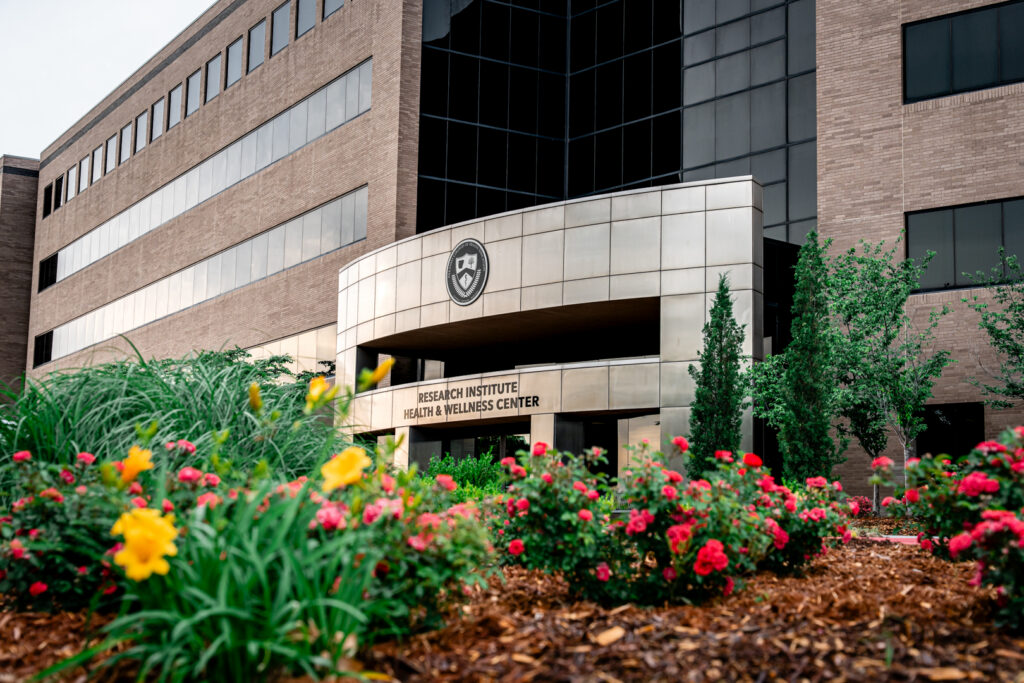
The study, titled Novel Mechanisms Promoting Energy Intake Compensation in Response to Aerobic and Resistance Exercise, will be conducted at the ACHE Research Institute Health & Wellness Center in Fort Smith. Researchers will enroll 120 participants in a 24-week supervised exercise intervention comparing aerobic exercise with a combination of aerobic and resistance exercise.
Unlike previous studies comparing the two approaches, researchers will match the amount of energy participants expend during each exercise session, allowing the team to compare the effects when both groups burn the same number of calories.
Researchers will examine factors including metabolism, appetite, energy expenditure, body composition, blood sugar control, hormone responses to meals, physical fitness, bone health, and behavioral factors. The study will also use a specialized method known as doubly labeled water to measure participants’ total energy expenditure and estimate energy intake without requiring them to track everything they eat.
Participants will be recruited from Fort Smith and surrounding communities, with enrollment expected to begin in January 2027. Basic eligibility requirements include being between the ages of 18 and 55, having a body mass index (BMI) between 28 and 40, not currently exercising or actively attempting weight loss through diet or medication, and being healthy enough to exercise. Additional eligibility criteria will apply.
Participants will visit the ACHE Research Institute approximately four times per week during the study. Formal recruitment efforts are expected to begin in December 2026. Those interested in learning more may contact Dr. Flack at kyle.flack@achehealth.edu.
Ultimately, researchers hope the findings will lead to more personalized and effective exercise recommendations, helping individuals achieve better health outcomes, manage chronic disease, and gain greater benefits from physical activity.