
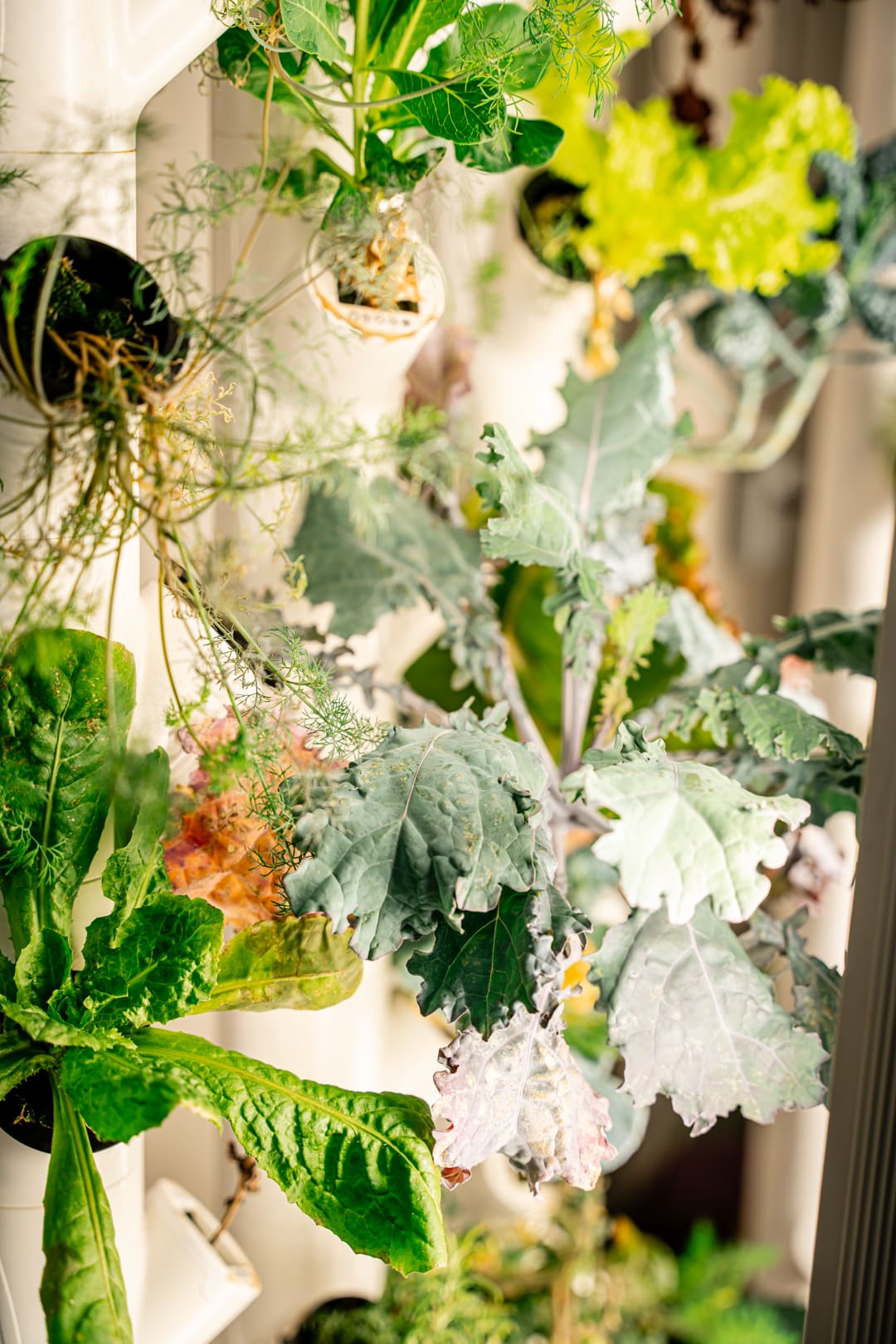
A head of lettuce, a handful of herbs or even a pumpkin growing inside a classroom can become much more than a lesson in gardening. It can introduce students to science, nutrition, agriculture and potential careers, all while giving them the opportunity to take ownership of something they helped grow.
Unlike traditional gardening, hydroponics does not require soil. Plants receive the water and nutrients they need through the growing system, allowing fresh produce to be grown indoors and in spaces where a traditional garden may not be practical.
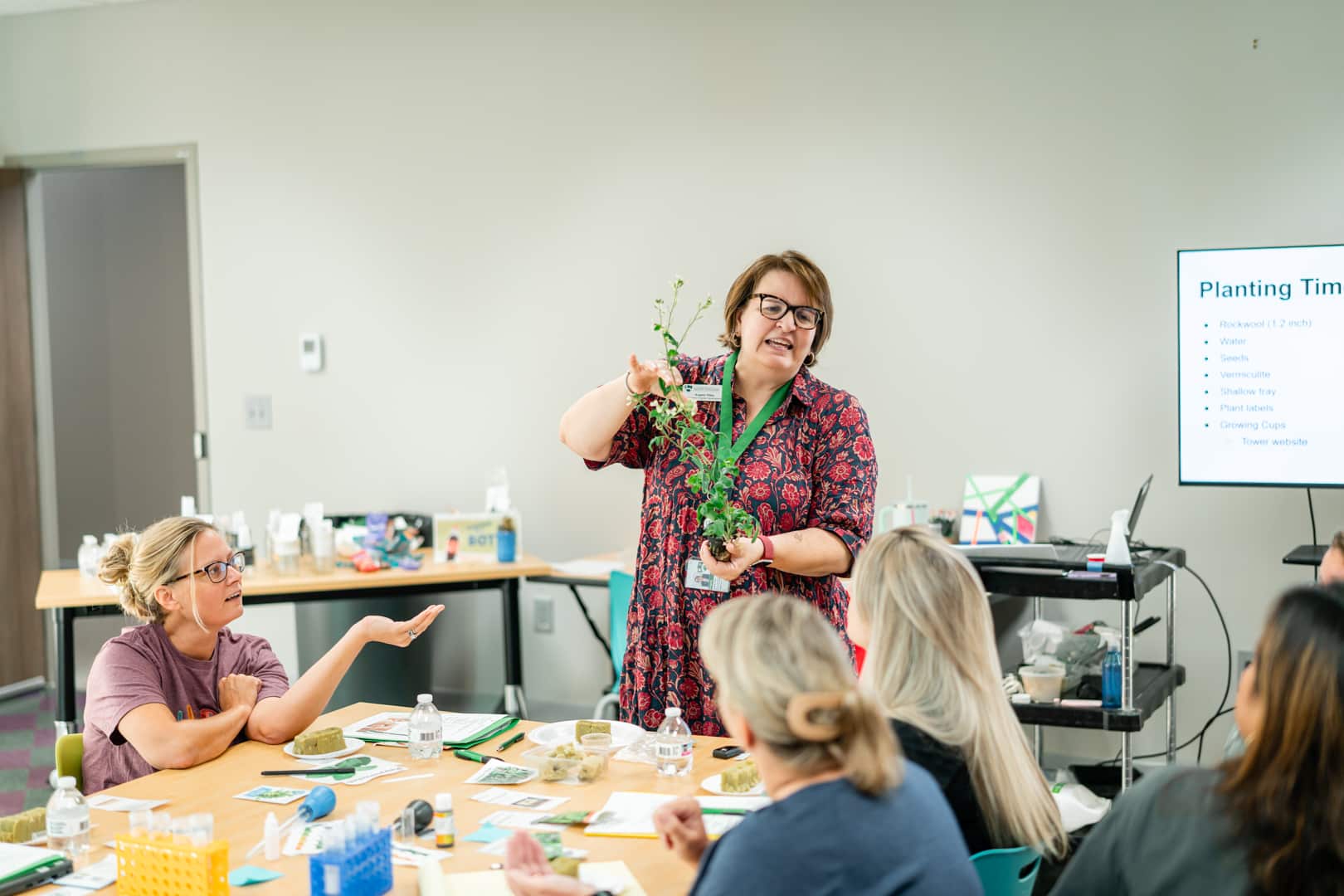
This summer, the Arkansas Colleges of Health Education (ACHE) Research Institute Health & Wellness Center (RIHWC) expanded its hydroponic gardening efforts by equipping area teachers with the tools and knowledge to bring hydroponics directly into their classrooms.
Through two professional development sessions, 21 teachers representing 17 schools across the region learned how to operate hydroponic tower gardens and incorporate them into classroom instruction. Educators from schools throughout Fort Smith and surrounding River Valley communities participated in the training, with teachers representing elementary, middle, and high school classrooms.
The 17 gardens distributed this summer join 15 already located in area schools and community organizations, along with 10 housed in the RIHWC Hydroponic Lab, bringing the total number of gardens to 42.
The idea for the professional development grew from both an opportunity and a need, according to Angela Tilley, Wellness Program Development and Engagement Coordinator at ACHE.
“It’s not enough to give a teacher a garden,” Tilley said. “Teachers need to know where to get the materials, how to plant the gardens, lessons you can use, and responsibilities that you can give your students.”
That realization helped shape the summer professional development sessions into what Tilley described as a “turnkey” experience. Teachers left with a tower garden, supplies, educational resources, and lesson ideas, along with a network of fellow educators they can collaborate with throughout the school year.
Bringing the Garden Into the Classroom
For many schools, establishing a traditional outdoor garden can be difficult because of space, weather and other limitations. Hydroponic towers offer a way to bring the growing experience directly into the classroom.
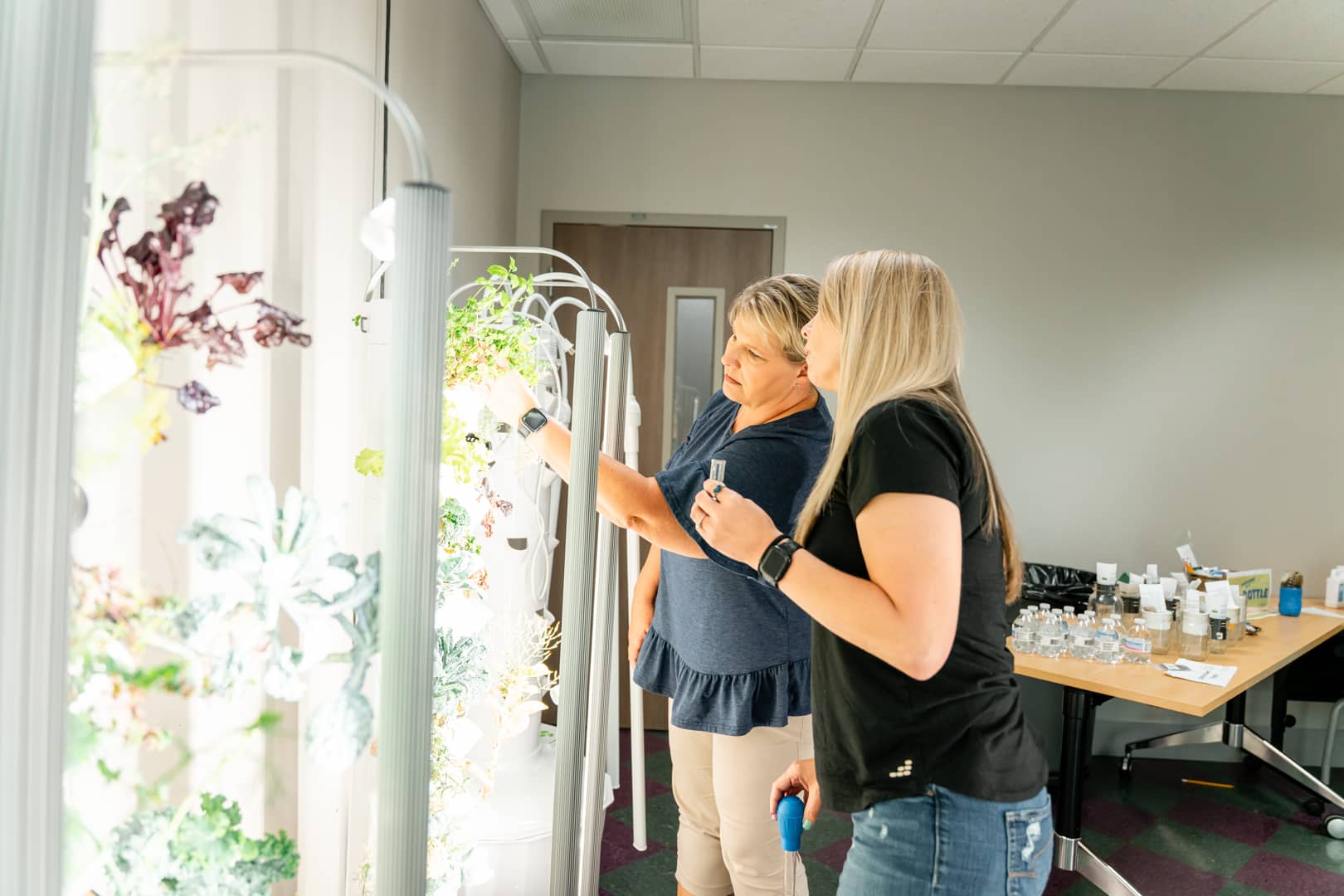
Each tower requires roughly a 2-by-2-foot space, access to an electrical outlet and the necessary growing materials. That small footprint can make gardening accessible to schools without the space or capacity for an outdoor garden while introducing students to another form of agriculture.
What happens with the garden from there is largely up to the students and their teachers.
Many classrooms will begin with lettuce and herbs, which grow quickly and can help students become familiar with maintaining the gardens. From there, students could choose to grow peppers, broccoli, cauliflower, flowers, Swiss chard, bok choy or even miniature pumpkins.
“The goal this go-around is for it to be student-driven, and for the teachers to have the knowledge to then engage the students in the choice,” Tilley said.
Those choices can create learning opportunities across the curriculum. A class growing pumpkins, for example, would need to learn about pollination and how to perform the process themselves indoors. Teachers can also incorporate the gardens into lessons in science, math, literature, art and geography.
At Chaffin Middle School, one participating teacher plans to use the garden as part of a botany club where students can explore biodiversity and grow plants from heirloom seeds.
Tilley also hopes the experience exposes students to career paths they may not have previously considered, including botany, food science and other agriculture, science, and health-related fields.
“When students are hands-on, they learn better. They can make a connection,” Tilley said. “We also want students to realize that there are scientific careers that can come out of using the gardens.”
Growing Opportunities for Health and Nutrition
Beyond classroom instruction, the gardens support RIHWC’s larger commitment to improving health and wellness through research, education and service. RIHWC plans to continue working with participating teachers throughout the school year, including offering nutrition lessons that connect what students grow with affordable and easy ways to prepare fresh foods.
That education is particularly relevant in Arkansas. According to the U.S. Department of Agriculture’s Economic Research Service, Arkansas has the highest household food insecurity rate in the nation at 19.4%, meaning nearly 1 in 5 households in the state experiences food insecurity.
“If we can help address that nutrition and food insecurity component by knowing that students are gaining the skills, the knowledge, and the self-confidence to grow and prepare their own foods, then we’re helping meet that need,” Tilley said.
RIHWC was also recently awarded two Whole Kids grants, a project of Whole Foods Market Foundation, to support outreach, nutrition and gardening education at Hackett Elementary School and Ballman Elementary School.
As the gardens find new homes in classrooms across the region, the impact of the program has the potential to extend beyond the plants students grow. Teachers now have another tool to encourage curiosity, introduce healthy habits, and give students hands-on experiences that connect what they learn in school with the world around them.
For Tilley, the project ultimately comes back to ACHE’s commitment to creating healthier communities through education, one classroom and one student at a time.
“It matters because of our mission and our vision of bringing health and wellness to the community,” Tilley said. “If it can start with the students and empowering students, then we hope for a better future.